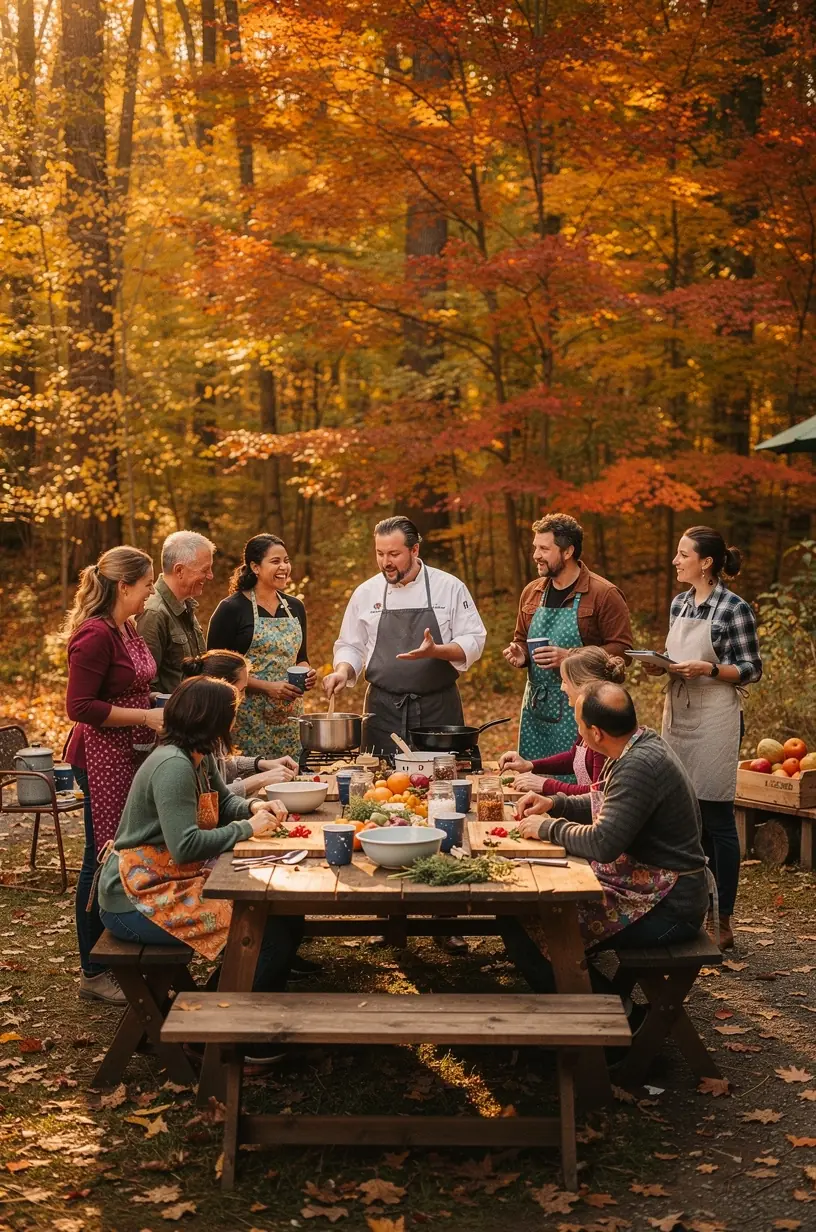
Exploring Sustainable Practices in Retreat Planning
As the demand for slow tourism grows, understanding sustainable practices in retreat planning becomes vital. This article delves into effective methods that not only enhance the retreat experience but also reduce travel stress.
Understanding Sustainable Retreat Planning
Sustainable retreat planning involves creating itineraries that minimize environmental impact while maximizing participant wellbeing. According to research by the Global Sustainable Tourism Council, sustainable practices can lead to greater satisfaction among retreat attendees, with many reporting a more enriching experience.

"Sustainable tourism is about creating a balance between the needs of travelers and the preservation of local environments and cultures." – Global Sustainable Tourism Council
Key Principles of Sustainable Retreat Planning
- Local Sourcing: Utilizing local resources for accommodation, food, and activities not only supports the community but also reduces carbon footprints associated with transportation.
- Mindful Itineraries: Planning calm and meaningful itineraries allows participants to engage with nature and their surroundings without the stress of a packed schedule. Experts recommend including downtime in itineraries to enhance relaxation and creativity.
- Eco-Friendly Practices: Incorporating eco-friendly practices, such as waste reduction strategies and energy conservation, can improve the overall experience. Many retreat planners find that educating participants on these practices fosters a deeper connection to the environment.
Implementing Sustainable Practices
Implementing sustainable practices typically requires careful planning and commitment. Here’s how retreat planners can get started:
- Conduct Research: Investigate local resources, including accommodations and vendors that prioritize sustainability. Research indicates that partnerships with local businesses can enhance the authenticity of the retreat experience.
- Engage Attendees: Consider engaging participants in sustainability discussions, fostering a sense of responsibility and connection. This involvement can lead to a more fulfilling experience, as participants often report feeling more invested in their surroundings.
- Gather Feedback: After the retreat, collect feedback on the sustainability practices used. This not only helps refine future retreats but also builds a community focused on conscious travel.
Conclusion
Incorporating sustainable practices in retreat planning is not just beneficial for the environment but also enhances attendee satisfaction and engagement. By fostering local partnerships, creating mindful itineraries, and engaging participants, planners can create retreats that are not only enjoyable but also responsible. As the slow tourism movement gains momentum, embracing these practices may lead to a more harmonious relationship between travelers and the destinations they explore.