Understanding the Benefits of Slow Travel Retreats
In today’s fast-paced world, many individuals find that traditional travel can lead to heightened stress and fatigue. Slow travel retreats, which emphasize relaxation and minimal travel stress, offer an alternative that is gaining popularity across the United States. This article explores the benefits of slow travel retreats, how they work, and why they may be a suitable option for those seeking a rejuvenating getaway.
What is Slow Travel?
Slow travel is a concept that encourages a more immersive travel experience by focusing on quality over quantity. Rather than hopping from one tourist attraction to another, slow travelers often spend extended periods in one location, allowing for deeper connections with the local culture, environment, and people.
Benefits of Slow Travel Retreats
According to studies, slow travel can significantly enhance one’s overall travel experience and well-being. Here are some of the key benefits:
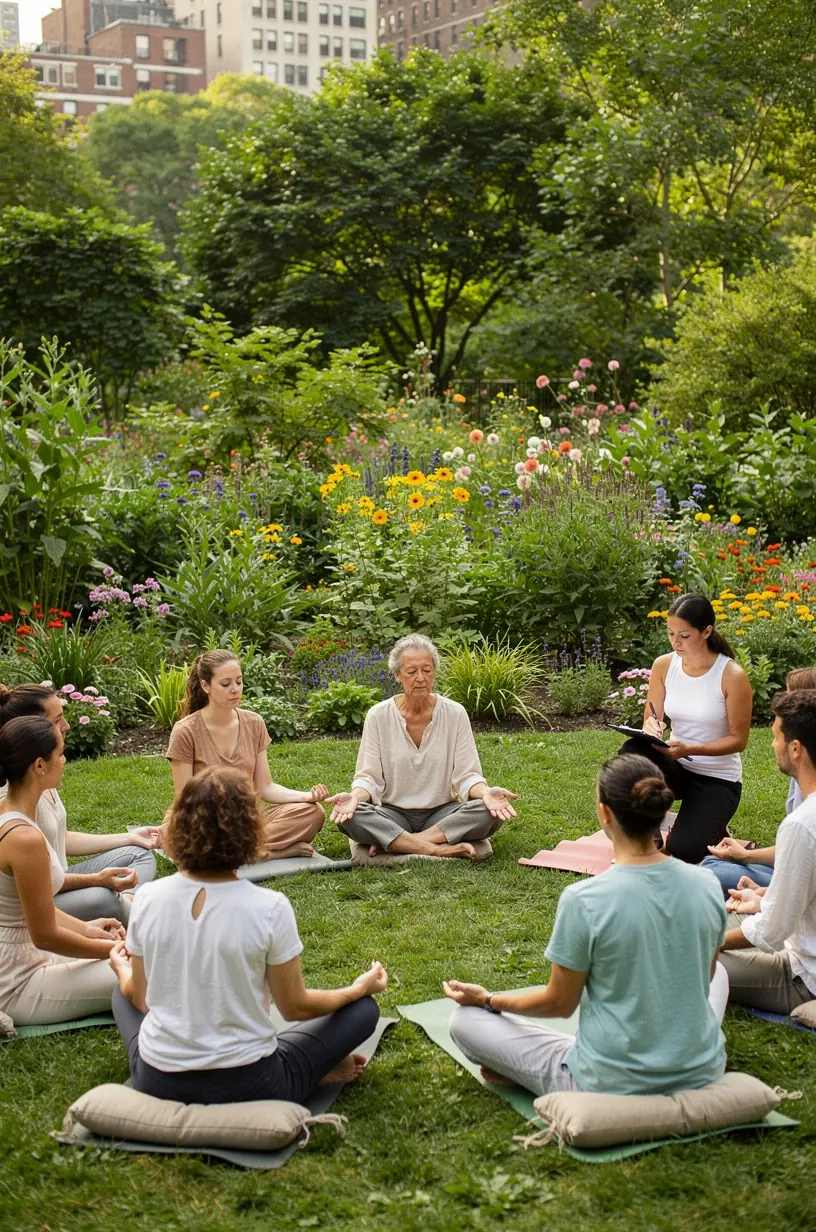
- Enhanced Mental Well-being: Research indicates that spending time in nature can reduce stress and anxiety levels. Slow travel retreats typically incorporate natural settings, which can promote relaxation.
- Cultural Immersion: Many users report that staying in one place allows them to engage with local communities and traditions in a way that fast-paced tourism does not facilitate.
- Increased Sustainability: Slow travel often aligns with sustainable tourism practices, minimizing the carbon footprint by reducing travel frequency and encouraging local economies.
"Experts suggest that slow travel can lead to increased life satisfaction and emotional well-being, as it fosters a deeper connection with the environment and community." - Travel Research Institute
The Process of Planning a Slow Travel Retreat
Planning a slow travel retreat typically involves several steps:
- Identify Your Goals: Consider what you want to achieve during your retreat. This could range from relaxation and rejuvenation to personal growth.
- Choose Your Destination: Research locations that offer the type of environment and activities you're interested in. Look for places that emphasize tranquility and natural beauty.
- Plan Your Itinerary: Unlike traditional travel, slow travel itineraries are usually flexible. Plan activities that allow you to engage with the local culture, but leave room for spontaneity.
Realistic Expectations and Limitations
While slow travel retreats can be incredibly rewarding, it is essential to acknowledge some limitations. For instance:
- Slow travel often requires a longer time commitment; most retreats last at least a week to allow for true immersion.
- Participants may need to adapt to a slower pace, which could be challenging for those accustomed to a packed travel schedule.
- Some retreats may not be suitable for individuals who prefer a highly structured travel experience.
Conclusion
Slow travel retreats offer numerous benefits that promote well-being, sustainability, and cultural engagement. By prioritizing relaxation and thoughtful planning, travelers can enjoy an enriching experience that may lead to lasting memories and personal growth. If you’re considering a slow travel retreat, take the time to define your goals and select a destination that aligns with your desire for tranquility and connection.