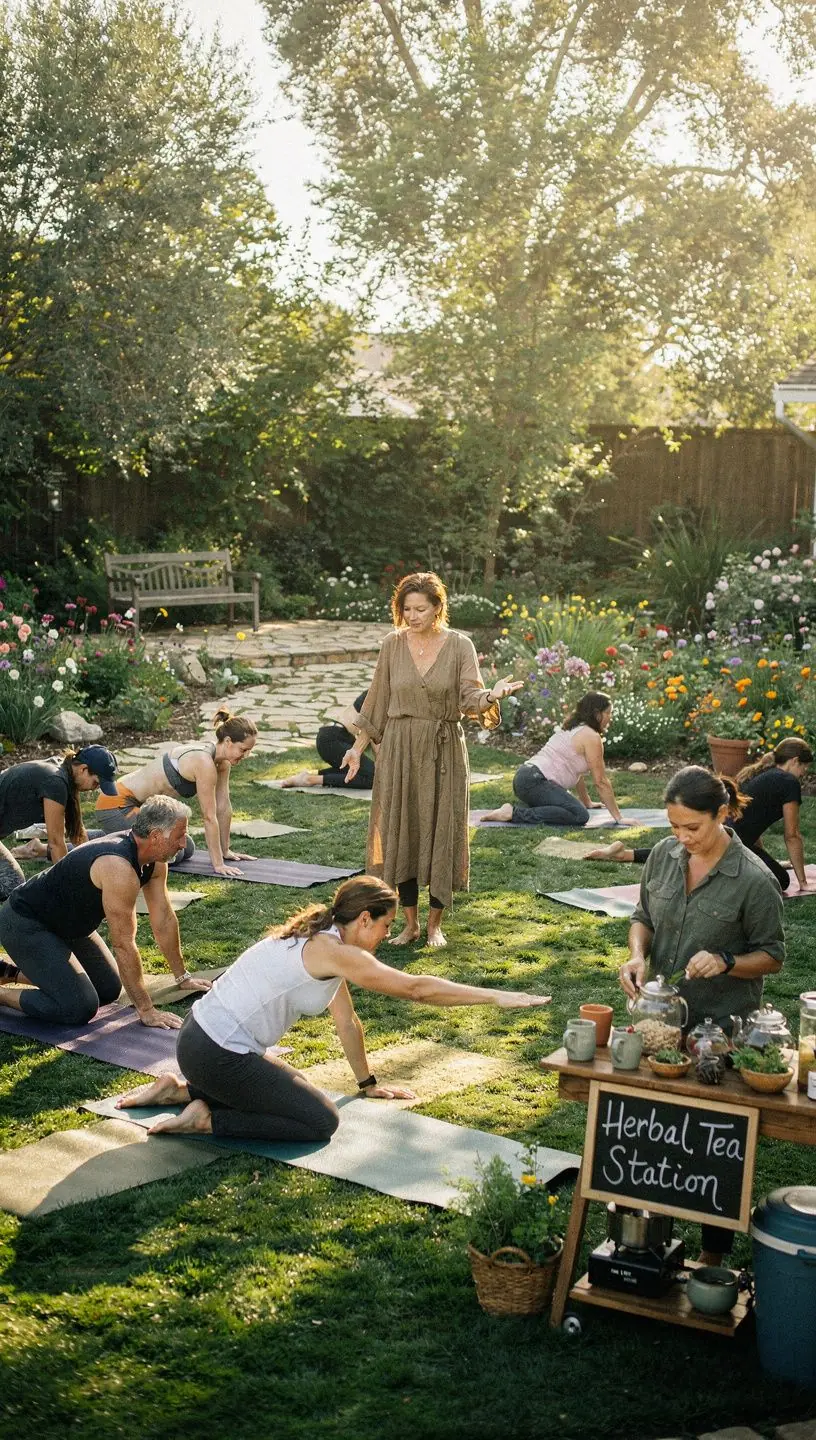
Navigating the Logistics of Coordinated Retreats
Planning a coordinated retreat can be a fulfilling yet complex endeavor. With a focus on slow tourism and stress-free itineraries, understanding the logistics involved is crucial for ensuring a successful experience. This guide explores essential strategies to streamline the planning process, helping retreat planners achieve their objectives with minimal stress and maximum enjoyment.
Understanding the Logistics of Retreat Planning
Coordinating a retreat typically involves several layers of logistics, including accommodation, transportation, and itinerary management. Industry experts suggest that a well-structured plan can significantly reduce potential stressors associated with these components. For instance, research shows that organized itineraries can enhance participant satisfaction by providing clarity and a sense of security.

"Effective retreat planning starts with a clear understanding of logistics and participant needs, ensuring a balanced experience." - Expert in Retreat Coordination
Key Components of Coordinated Retreats
- Accommodation: Secure lodging that is conveniently located can improve accessibility and reduce travel time. Many users report that comfortable accommodations contribute to a relaxing atmosphere.
- Transport Coordination: Organizing transportation to and from the venue is vital. This may include shuttles, car rentals, or public transport options, depending on guest needs.
- Itinerary Development: Creating a balanced itinerary that includes downtime and structured activities is essential. Studies indicate that incorporating leisure activities can lead to a 30% increase in overall satisfaction during retreats.
Best Practices for Logistics Management
To navigate the logistics efficiently, retreat planners should consider the following best practices:
- Start Early: Begin planning at least 2-4 months before the retreat to secure venues and accommodations. This allows for flexibility and better options.
- Utilize Technology: Leverage planning tools and apps that facilitate communication and organization among team members. Many planners find that digital solutions can streamline the coordination process.
- Engage Local Vendors: Partnering with local service providers (caterers, activity facilitators) can often lead to cost savings and enhance the retreat experience through localized knowledge.
Acknowledging Potential Challenges
While the goal is to ensure a smooth experience, it is important to acknowledge potential challenges. For instance, transportation logistics can become complicated if participants arrive at different times. Clear communication about arrival times and transportation options is crucial. Additionally, flexibility within the itinerary can help accommodate unforeseen changes, as industry standards recommend maintaining adaptability in plans.
Conclusion
Coordinating a retreat can be a rewarding endeavor, particularly when logistics are managed effectively. By prioritizing organization, utilizing best practices, and remaining flexible to challenges, planners can create an environment conducive to relaxation and growth. Ultimately, a well-executed retreat fosters connections among participants and enhances overall satisfaction, creating lasting memories.